Maintaining Performance: The Essential Guide to Choosing the Best Metal Lubricant for Industrial Applications

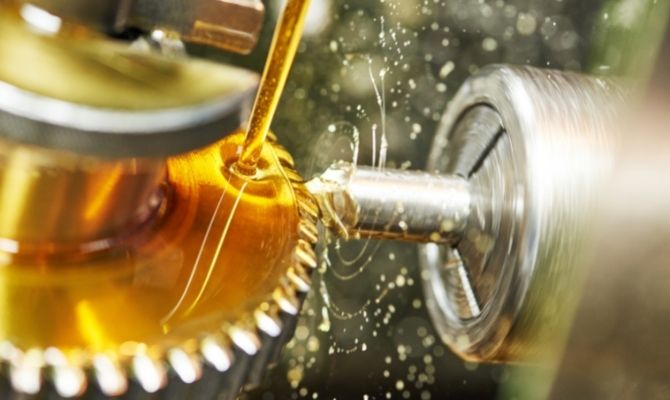
In the high-stakes environment of modern manufacturing and heavy equipment operation, friction is the primary enemy of productivity. When precision components move against one another under extreme pressure, heat, and environmental stress, the difference between a seamless workflow and a catastrophic equipment failure often comes down to the thin film of protection provided by a high-quality product. Selecting the best metal lubricant for your specific machinery is not merely a maintenance task; it is a critical strategic decision that influences the longevity of expensive assets and the overall reliability of your production line.
For facilities managers, maintenance supervisors, and engineers, understanding the science behind surface protection is vital. Whether you are managing automated assembly lines, heavy-duty gearboxes, or precision machining centers, applying the correct industrial lubricant ensures that energy consumption remains optimized and wear-and-tear is kept to an absolute minimum.
Understanding the Mechanisms of Industrial Lubrication
At a microscopic level, no surface is truly flat. Even highly polished steel components feature jagged peaks and valleys that grate against one another under load. A proper lubricant acts as a fluid barrier, preventing these metallic surfaces from making direct contact.
When you choose an industrial lubricant, you are effectively managing three distinct processes: heat dissipation, contamination control, and wear reduction. Under high-speed conditions, a lubricant’s viscosity determines how effectively it can flow into tight tolerances to carry heat away from friction points. Under high-load conditions, the additive package—such as extreme-pressure agents—becomes the primary line of defense, chemically bonding to the metal to prevent welding or seizing.
Selecting the Best Metal Lubricant for Your Operational Environment
Not all lubricants are created equal, and applying the wrong type can be as damaging as using none at all. To identify the best metal lubricant for your hardware, you must first evaluate the specific demands of your operating environment.
Temperature and Environmental Considerations
Equipment operating in extreme temperatures requires specialized formulations. In high-heat scenarios, traditional oils may oxidize or thin out, losing their protective properties. Conversely, in freezing environments, heavy greases can solidify, leading to startup failure or dry-running conditions. Selecting an industrial lubricant with a high viscosity index ensures that the protective film remains consistent despite external climate fluctuations.
Load, Speed, and Motion
- High-Speed, Low-Load: These systems require low-viscosity fluids to reduce fluid friction and prevent overheating.
- Low-Speed, High-Load: These applications demand high-viscosity products with robust anti-wear and extreme-pressure additives to support the load without being squeezed out of the contact zone.
- Oscillating or Reciprocating Motion: For parts that do not complete a full revolution, grease-based solutions are often superior to oils because they resist displacement and stay in place to protect the surface throughout the entire range of motion.
The Role of Additives in Modern Lubrication Technology
The modern industrial lubricant is a highly engineered chemical cocktail. Base oils—whether synthetic, semi-synthetic, or mineral—provide the carrier, but the performance is largely driven by sophisticated additives.
When searching for the best metal lubricant, look for products that balance these key components:
- Anti-Wear (AW) Agents: These form a sacrificial layer that prevents metal-to-metal contact during periods of hydrodynamic breakdown.
- Corrosion Inhibitors: Essential for equipment exposed to moisture or humid manufacturing environments, these prevent rust from compromising structural integrity.
- Antioxidants: These prevent the chemical breakdown of the lubricant itself, extending service intervals and preventing the formation of sludge or varnish that can clog filters and ports.
Best Practices for Application and Maintenance
Even the most expensive, high-performance product will fail if the application strategy is flawed. Establishing a rigorous lubrication management program is the only way to ensure your industrial lubricant performs as intended.
Contamination Control
The single most common cause of premature bearing and component failure is contamination. Dust, metal shavings, and moisture can turn even the best metal lubricant into an abrasive slurry. Always ensure that grease guns, oil cans, and storage containers are sealed and dedicated to a single product type to avoid cross-contamination between different chemical formulations.
Proper Flushing and Cleaning
When transitioning between products or clearing out degraded lubricants, a thorough flush is necessary. Residual debris or incompatible chemical agents can cause gelling, which effectively neutralizes the protection you intended to provide. Always consult technical documentation to ensure compatibility before mixing different grades of lubricant.
Improving Efficiency Through Proactive Lubrication Management
Beyond the immediate goal of preventing seizures, the right choice of industrial lubricant serves as a vital component of energy conservation. Friction is essentially wasted energy; when you minimize the drag between internal gears, chains, and bearings, you reduce the load on drive motors, thereby lowering electricity consumption and reducing the heat output of the entire system.
Furthermore, integrating lubrication into your predictive maintenance schedule allows you to identify issues before they manifest as downtime. Through oil analysis—regularly sampling the fluid to check for metal particulates or chemical degradation—you can gain a “health report” for your machine’s internals. This level of oversight allows you to intervene precisely when needed, rather than relying on reactive repair cycles that disrupt production schedules and inflate maintenance budgets.
Strategic Selection in Competitive Markets
In the current industrial landscape, supply chain stability and performance consistency are paramount. While the temptation to purchase the cheapest generic product can be strong, the total cost of ownership tells a different story. The best metal lubricant is one that minimizes downtime, extends the intervals between greasing cycles, and preserves the life of the machine itself.
By standardizing your lubrication requirements and utilizing products specifically formulated for your unique equipment architecture, you build a foundation of reliability. Remember that for any high-performance application, the lubricant is not an accessory; it is a critical working part of the machine. Whether you are operating hydraulic presses, CNC machining tools, or heavy-duty conveyors, investing in high-quality lubrication is an investment in the operational continuity of your facility.
As industry standards continue to evolve toward higher precision and more demanding duty cycles, the role of the lubrication specialist becomes increasingly important. Take the time to audit your current lubrication practices, verify the compatibility of your products with the manufacturer’s specifications, and commit to a consistent, clean application protocol. By doing so, you ensure that your mechanical systems remain as efficient and productive as the day they were installed.