The rapid march of urbanization and technological progress has transformed many of the world’s major cities into uniform landscapes of glass, steel, and concrete. In the race to modernize, historic neighborhoods are frequently demolished, and ancient customs are often cast aside to make room for high-tech infrastructure. However, a select group of global metropolises has chosen a more challenging and rewarding path. These cities have mastered the delicate art of dual identity, building cutting-edge economies and futuristic skylines while fiercely protecting their cultural souls.
Tokyo, Japan: The Ultimate Dynamic Counterbalance
Tokyo is perhaps the world’s premier example of an urban center operating simultaneously in two different eras. As a global hub for technological innovation, fashion, and commerce, the city features sprawling neon entertainment districts like Shinjuku and hyper-modern architectural wonders. Yet, beneath this hyper-paced surface lies an unyielding foundation of Edo-period customs and Shinto and Buddhist philosophies.
The secret to Tokyo’s successful blend lies in the Japanese concept of harmony and compartmentalization. Modern developments do not seek to destroy historic sites; instead, they are constructed around them, creating striking structural juxtapositions.
-
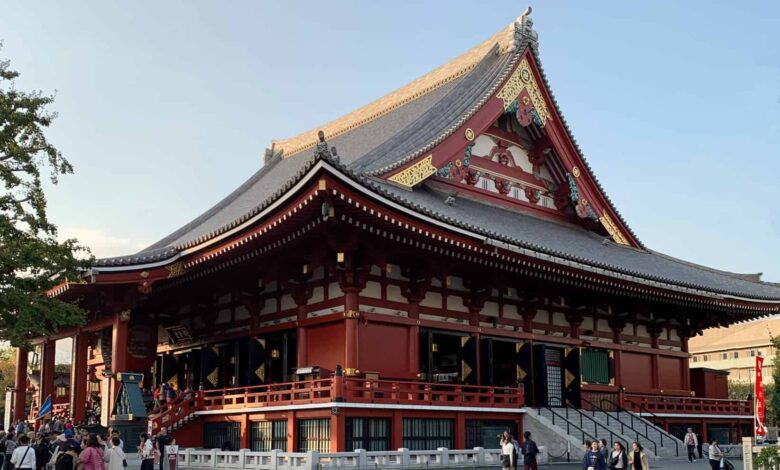
Senso-ji and Asakusa: In the midst of a bustling metropolis stands Senso-ji, Tokyo’s oldest Buddhist temple, originally founded in the seventh century. Visitors pass through the massive Thunder Gate, walking along a historic shopping street that has served pilgrims for hundreds of years, all while the ultra-modern Tokyo Skytree towers over the horizon just across the river.
-
Meiji Shrine and Harajuku: Directly adjacent to Harajuku, a global epicenter of youth culture, experimental fashion, and dense commercial shopping, lies the serene forested enclave of the Meiji Shrine. Stepping through the massive wooden torii gate instantly dampens the urban noise, replacing car horns with rustling cedar leaves and traditional Shinto wedding processions.
-
Corporate Rituals: The blend is equally evident in local business culture. It is entirely common for executives of major multinational technology corporations to gather at local shrines at the beginning of the fiscal year to pray for business prosperity and participate in traditional purification ceremonies.
Seoul, South Korea: Hyper-Connectivity Meets Dynastic Splendor
Over the past several decades, Seoul has undergone a stunning transformation, evolving from a city recovering from wartime devastation into one of the most technologically advanced smart cities on earth. Home to global tech giants and the birthplace of influential pop-culture movements, Seoul boasts high-speed wireless infrastructure and futuristic landmarks like the Dongdaemun Design Plaza.
Remarkably, this rapid rush into the digital age has occurred alongside a comprehensive revival of Joseon Dynasty heritage. The city government has invested heavily in restoring its historic core, ensuring that the remnants of old Seoul are integrated into the daily life of its modern citizens.
-
The Five Grand Palaces: Located directly in the center of the primary financial and government districts are massive palace complexes like Gyeongbokgung. Instead of being isolated historical parks, these palaces interact with the city. Office workers eat lunch along the palace walls, and the changing of the royal guard ceremony takes place just steps away from multi-lane highways and corporate headquarters.
-
Bukchon Hanok Village: Nestled between towering corporate skyscrapers lies a neighborhood composed of hundreds of hanok, which are traditional Korean earthen and tiled homes dating back to the fourteenth century. Rather than serving as an empty historical exhibit, Bukchon remains a vibrant, active residential neighborhood where citizens preserve traditional architectural styles and community standards.
-
The Cheonggyecheon Stream Restoration: In an iconic display of urban planning that favors history over concrete development, Seoul demolished an elevated concrete highway in the early 2000s to uncover and restore a historic stream that had run through the city for centuries. Today, this public park combines natural history and cultural art installations right in the heart of the business district.
London, United Kingdom: A Blueprint for Architectural Dialogue
London offers a Western perspective on how a city can grow into a financial superpower while maintaining a layout and institutional heritage established during the Roman, medieval, and Victorian eras. London avoids the complete displacement of history by utilizing strict zoning laws and a distinct architectural philosophy that allows old and new buildings to stand side by side in a visual dialogue.
The city’s financial heart, known simply as the City of London or the Square Mile, occupies the exact geographic footprint established by Roman settlers two millennia ago. Here, the medieval street grid remains intact, forcing modern designers to create highly creative, non-traditional skyscrapers.
-
Protected Sightlines: London maintains strict legal protections on specific viewing corridors, particularly views of St. Paul’s Cathedral from various points across the city. Modern skyscrapers like the Shard or the Leadenhall Building are intentionally tapered, angled, or repositioned so they do not obstruct historic vistas.
-
Repurposed Industrial Heritage: Rather than tearing down obsolete infrastructure from the Industrial Revolution, London regularly renovates these spaces for modern public use. The Tate Modern, a world-class contemporary art museum, is housed inside the massive brick shell of the former Bankside Power Station, and the historic brick warehouses of Covent Garden and King’s Cross have been converted into trendy shopping and dining hubs.
-
Living Pageantry: The city’s political and royal traditions are woven directly into the operations of a modern democracy. The daily changing of the guard, the annual State Opening of Parliament, and the ancient legal ceremonies of the Inns of Court are conducted with the exact same formality as they were centuries ago, existing comfortably alongside a progressive, multicultural population.
Kyoto, Japan: The Cultural Heart Preserved
While Tokyo represents a modern city with hidden traditional depths, Kyoto serves as the inverse: an ancient cultural capital that has carefully integrated modern living. Avoided during the air raids of World War II due to its immense cultural value, Kyoto retains thousands of classical Buddhist temples, Shinto shrines, and intact wooden townhouses known as machiya.
Kyoto’s approach to modernization focuses on visual restraint and strict aesthetic regulations designed to keep the historic landscape dominant.
-
Aesthetic Landscape Laws: To prevent modern corporate branding from clashing with historic neighborhoods, Kyoto enforces strict ordinances governing building heights, roofing materials, and color schemes. Even global fast-food chains and convenience stores must alter their corporate logos, replacing bright neon signs with muted browns, blacks, and whites to match the surrounding historic architecture.
-
The Living Geisha Districts: Neighborhoods like Gion are not tourist theme parks; they are functioning historic quarters where traditional artists and geiko live and work. On any given evening, traditional wooden structures host exclusive gatherings dedicated to classical music, dance, and poetry, while modern smartphones and vehicles navigate the narrow streets outside.
Rome, Italy: An Open-Air Museum Integrated with Daily Life
Rome presents a distinct challenge in urban integration, as the city contains layers of archaeological heritage from the Roman Republic, the Roman Empire, the Renaissance, and the Baroque periods. Rather than isolating these ruins, Rome has incorporated them into the fabric of a modern European capital.
-
Infrastructure and Archaeology: Building a modern transit system in Rome requires unmatched patience. The construction of the city’s subway lines is frequently delayed because digging almost immediately uncovers ancient villa foundations, military barracks, or Roman artifacts. Instead of destroying these finds, Rome incorporates them, turning subway stations like San Giovanni into subterranean museums where commuters walk past ancient artifacts on their daily route.
-
Functional Antiquity: Rome’s ancient monuments are not passive backdrops. The Theatre of Marcellus, built in the first century before western calculation, has modern apartments built directly into its upper tiers. The Piazza Navona retains the exact elongated shape of the ancient Stadium of Domitian over which it was constructed, and modern fountains utilize aqueduct systems originally designed by Roman engineers.
Frequently Asked Questions
How do these cities manage the high cost of maintaining traditional buildings?
The preservation of historic structures like machiya in Kyoto or hanok in Seoul is supported through a combination of strict government subsidies, tax incentives, and specialized zoning. Governments often provide direct financial grants to property owners to offset the high costs of using traditional building materials and specialized craftsmen, recognizing that preserving cultural identity drives long-term tourism and national pride.
Do strict historic preservation laws slow down economic growth in these cities?
While preservation laws require extra steps for urban planning and architectural design, they generally do not stall economic growth. Instead, these regulations force developers to innovate. The necessity of working around historic sightlines or preserving old foundations has driven advancements in structural engineering, adaptive reuse, and green architecture, turning potential constraints into economic advantages.
How do younger generations in these highly modern cities view ancient traditions?
In many of these cities, younger generations are spearheading a cultural revival by reinterpreting ancient traditions through a modern lens. In Seoul, younger crowds frequently rent traditional clothing to gain free entry to palaces and share photos online. In Tokyo, traditional crafts are being combined with modern design elements to create sustainable, contemporary consumer products.
How does daily traffic navigate street grids designed for horses or pedestrians?
Many cities utilize strict vehicular restrictions to protect narrow, historic streets. In London, a congestion charge system taxes vehicles entering the central zone, encouraging public transit. In Kyoto and Rome, many historic quarters are designated as pedestrian-only zones or limited-traffic zones, allowing modern delivery vehicles access only during specific early-morning hours.
Are the traditional cultural practices in these cities authentic or staged for tourists?
While tourism definitely influences certain public presentations, the core cultural practices remain authentic because they are deeply rooted in the domestic population’s identity. Shinto rituals in Japan, royal pageantry in London, and culinary traditions in Rome are sustained by local participation, community associations, and generational pride, independent of foreign travel markets.
How do smart city technologies interact with historic neighborhoods?
Smart city technology is often deployed invisibly to monitor and protect historic areas. For instance, cities use concealed sensors to monitor humidity, structural shifting, and fire risks in ancient wooden buildings. Underground fiber-optic networks are carefully routed through historic street grids without disturbing surface architecture, providing high-speed connectivity to centuries-old structures.