For centuries, rivers served as the primary highways of human civilization. Great empires rose along their banks, epic battles were fought for their control, and diverse cultures traded goods and ideas across their waters. Today, traveling along these historic waterways provides an unparalleled look into the past. Unlike ocean cruises that focus on massive onboard amenities and distant island ports, cultural river cruises prioritize intimacy, slow travel, and deep immersion into the heritage of a region.
Stepping onto a river vessel means embarking on a journey where the destination is always in view. The changing shoreline tells a story of architectural evolution, agricultural traditions, and political shifts. This guide explores the unique appeal of cultural river voyages and highlights the most historically significant waterways in the world.
The Unique Character of River Cruising
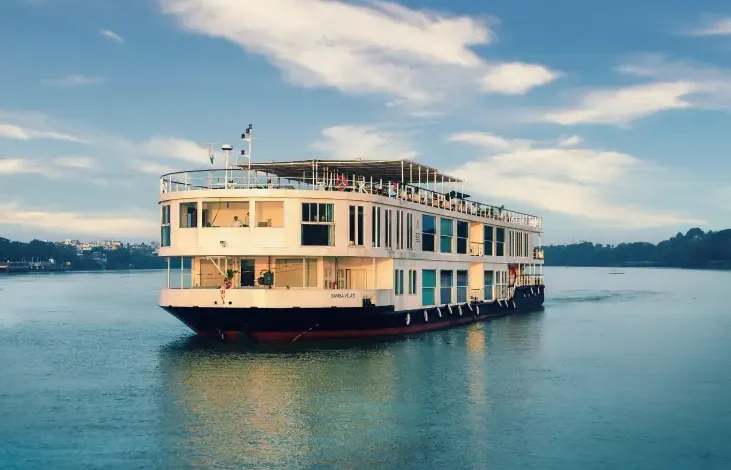
To understand the appeal of a river voyage, one must first understand how it differs from traditional ocean cruising. River ships are purposefully engineered to be long, narrow, and low-profile. This specific design allows them to navigate shallow channels, glide under ancient stone bridges, and fit securely inside complex canal lock systems.
Because space on a river is limited, these ships generally carry between 100 and 200 passengers. This smaller scale fundamentally shifts the social dynamic of the trip. The environment onboard is quiet and sophisticated, lacking the noisy casinos, massive theater productions, and crowded pool decks of ocean liners. Instead, the focus remains outward, aimed entirely at the passing landscape and the historical treasures waiting at the next dock.
The geographical nature of rivers also eliminates a common travel complaint: seasickness. The waters are naturally calm, meaning the ship moves with a gentle, barely perceptible motion. Furthermore, river ships almost always travel close to the shore, ensuring that passengers are never met with a blank horizon. Instead, the view from the cabin window constantly changes, revealing medieval castles, terraced vineyards, and small fishing villages.
Epic European Waterways and Imperial Legacies
Europe remains the undisputed heartland of cultural river cruising, possessing an intricate network of interconnected rivers that have shaped western history. Traveling these routes provides a front-row seat to the rise and fall of European dynasties.
The Danube: A Voyage Through Empires
The Danube is the second-longest river in Europe, flowing eastward from the Black Forest of Germany to the Black Sea in Romania. A cruise along this historic highway takes travelers through multiple countries and addresses centuries of imperial history.
-
The Wachau Valley: This stretch of the river in Austria is a designated heritage site where terraced vineyards meet ancient fortifications. Cruisers can visit the magnificent Melk Abbey, a Baroque Benedictine monastery perched high above the water.
-
The Imperial Capitals: The Danube directly connects three iconic capital cities: Vienna, Bratislava, and Budapest. Sailing into Budapest at night, when the neo-Gothic Parliament building is completely illuminated, is widely considered one of the most stunning sights in the travel world.
-
The Iron Gates: Further downstream, the river narrows dramatically into a series of spectacular gorges dividing the Balkans from the Carpathian Mountains, displaying the rugged geographical barriers that ancient armies had to cross.
The Rhine: Castles and Folklore
The Rhine River flows from the Swiss Alps through Germany and France before emptying into the North Sea in the Netherlands. It has long served as a vital commercial artery and a heavily fortified borderland.
The most famous section is the Upper Middle Rhine Valley, often called the Romantic Rhine. Here, the river cuts through steep slate hillsides covered in Riesling grapevines. Over forty medieval castles and fortresses line this single 40-mile stretch of water. Each structure has a unique history, built by local robber barons to collect tolls from passing merchant boats. Cruisers also pass the legendary Lorelei Rock, a heavy cliff associated with German folklore and maritime myths.
The Douro: Traditional Wine Heritage
In Portugal, the Douro River offers a different cultural perspective focused heavily on agrarian history and isolated geography. The Douro winds through deep valleys from the Spanish border down to the Atlantic port city of Porto.
For centuries, this river was the only practical way to transport port wine from the inland quintas, or wine estates, down to the coast. The landscape is defined by hand-carved stone terraces that have been cultivated for over two thousand years. Cruisers on the Douro experience a slower pace of life, visiting historic villages, sampling traditional regional cuisine, and learning about the distinct architectural heritage of northern Portugal.
Timeless Lifelines of Asia and Africa
Beyond Europe, rivers hold an even deeper spiritual and civilizational significance. Cruising these international waterways offers an immersive look into ancient societies that continue to thrive today.
The Nile: The Cradle of the Pharaohs
No river is more synonymous with ancient history than the Nile. A river cruise between Luxor and Aswan in Egypt serves as a journey through the dawn of human civilization. Because the desert flanks both sides of the fertile Nile Valley, virtually every major monument of the pharaohs was built within striking distance of the riverbanks.
From the deck of a traditional riverboat or a modern luxury vessel, travelers can watch farmers tend their fields using methods that have changed very little since the time of Ramesses the Second. The itinerary along the Nile reads like a textbook of archaeology, including stops at the Temple of Karnak, the Valley of the Kings, and the beautifully preserved waterside temples of Kom Ombo and Edfu.
The Mekong: Rural Traditions and Modern History
The Mekong River is the vital pulse of Southeast Asia, flowing through six countries. Cultural cruises typically navigate the lower portion of the river between Ho Chi Minh City in Vietnam and Siem Reap in Cambodia.
A Mekong cruise provides a stark, moving contrast between ancient traditions and turbulent modern history. Travelers pass through floating markets where local merchants trade fresh produce directly from small wooden boats. Shore excursions take visitors to remote silk-weaving villages, Buddhist monasteries, and historic sites connected to the tragic history of the Khmer Rouge regime, providing a holistic understanding of the resilient local cultures.
The Cultural Immersion Experience
The true value of a historic river cruise lies in its curated educational programming. These trips are designed for curious travelers who want to understand the context behind the sights they see.
Expert Onboard Lectures
To enrich the travel experience, river cruise lines regularly host guest lecturers onboard. These experts include regional historians, anthropologists, geographers, and local winemakers. Before arriving at a port, passengers can attend presentations that explain the political history, architectural styles, and cultural traditions of the upcoming destination. This intellectual framework transforms a simple sightseeing excursion into a meaningful learning opportunity.
Immersive Shore Excursions
Unlike ocean cruises where excursions often involve large tour buses and generic beach resorts, river cruise excursions are deeply embedded in the local community. Because ships dock directly in the center of historic towns, passengers can frequently step off the vessel and immediately begin a walking tour.
Standard excursions often include exclusive access to historic sites, such as private concerts in Viennese palaces, early morning entry to popular museums, or culinary tours led by local chefs through neighborhood markets. Many cruise lines also organize home-hosted visits, allowing travelers to sit down with local families to discuss daily life and regional traditions.
Frequently Asked Questions
What is the best time of year to go on a cultural river cruise?
The ideal timing depends heavily on the destination. For European rivers like the Danube and the Rhine, the peak season runs from May through September when the weather is warm and pleasant. However, late spring and early autumn are excellent for avoiding crowds, and December is highly popular for experiencing the traditional holiday markets along the riverbanks. For the Nile and the Mekong, the winter months from November to February offer cooler, more comfortable temperatures for exploring outdoor archaeological sites.
How physical are the shore excursions on a historic river cruise?
Most river cruise excursions involve a moderate amount of walking, often over uneven terrain, cobblestone streets, and steep stairs inside historic castles or ancient ruins. To accommodate different physical abilities, many cruise lines offer stratified tour groups, dividing passengers into active walkers, gentle walkers who move at a slower pace with more breaks, and late-risers who prefer a delayed start to the morning.
Are river cruises suitable for families traveling with young children?
Generally speaking, cultural river cruises are designed with adults in mind. The onboard atmosphere emphasizes quiet relaxation, educational lectures, and fine dining, and most ships do not have dedicated children clubs, play areas, or youth counselors. While teenagers with an interest in history and geography often enjoy these itineraries, families with younger children may find the slow pace and structured excursions less engaging for toddlers or grade-school kids.
How much time is spent sailing versus exploring on land?
River cruise itineraries are efficiently planned to maximize time on land. The ship will frequently cruise through the night while passengers sleep, arriving at a new town or city early in the morning. Daytime sailing is typically reserved for exceptionally scenic stretches of the river, such as the castle-heavy Middle Rhine or the dramatic Iron Gates of the Danube, allowing passengers to enjoy the views from the sun deck.
What should I pack for a cultural river voyage?
Comfortable, sturdy walking shoes with good traction are the most critical item to pack, given the amount of walking done on historic stone streets. The dress code onboard is typically casual during the day and smart-casual for dinner, meaning formal evening gowns and tuxedos are unnecessary. Layers are highly recommended, as temperatures can drop significantly when out on the open water or during early morning walking tours.
Are meals onboard tailored to the culinary culture of the destination?
Yes, culinary immersion is a core component of the cultural river cruise experience. Chefs regularly source fresh, seasonal ingredients from local markets along the route. The dinner menus usually feature a selection of regional specialties alongside familiar western classics, complemented by local wines and beers produced in the very valleys the ship navigates.